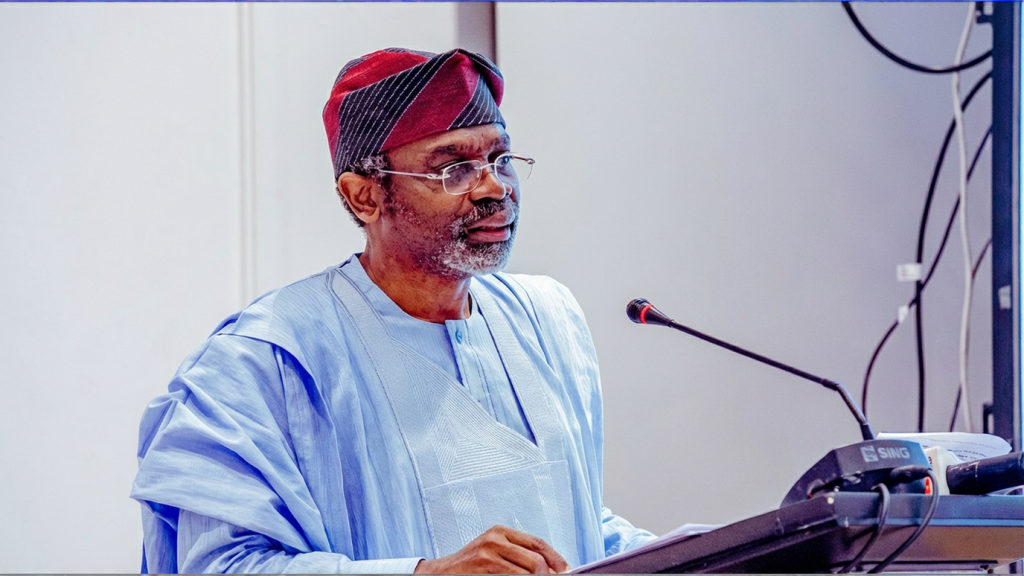
The Presidency has received the bill to create state police in Nigeria. Chief of Staff Femi Gbajabiamila, who chairs the Presidential Working Group on State Police, confirmed it in a statement to State House correspondents in Abuja. The bill, formally the Constitution (Sixth Alteration) Bill, was sent to the executive on Wednesday by the president’s Special Advisers on Senate and House of Representatives Matters, Senator Basheer Lado and Dr Wasiu Olanrewaju-Smart.
It isn’t law yet. Gbajabiamila said President Tinubu will review the bill in consultation with the Attorney-General of the Federation, Prince Lateef Fagbemi, SAN, and then sign it at a formal ceremony. The bill will first go through legislative drafting validation at the Justice Minister’s office.
The constitutional hurdle has already been cleared, and by a wide margin. Amending the constitution needed at least 24 of the 36 state Houses of Assembly to approve. All 36 did, according to the statement. The Senate had acted a day earlier, after the Senate Leader, Senator Opeyemi Bamidele, brought a motion confirming the 100 per cent approval and asking the Clerk of the National Assembly to send the bill to the president. Senate Minority Leader Abba Moro backed it, saying that “insecurity has become one of the major concerns of Nigerians.” For the record, the bill needed two-thirds of both chambers in the National Assembly too, which means 240 of 360 members in the House and at least 73 of 109 senators.
A second law is still to come. Gbajabiamila’s working group has been consulting widely on a draft National Policing Bill, which would set the operating rules for state police and the existing federal force. The draft is with the Federal Ministry of Justice for validation. Once it’s back, the group will review it and send it to the president with its report. The Senate also asked Tinubu to forward the policing bill to the National Assembly quickly. The statement thanked both chambers, the 36 governors, the state assemblies and “all Nigerians” for a shared commitment to tackling insecurity.
Not everyone thinks passing the bill is the hard part. Lawyer and commentator Charles Omole, speaking on Channels Television’s Politics Today, said inadequate funding, professional competence and weak recruitment standards will decide whether state police works. Competent people to manage the transition, and a funding structure that lasts, will be critical, he said. He still called the agreement among all the states historic, noting that earlier constitutional amendments tended to get bogged down in political bargaining and competing demands, and he credited Tinubu’s focused leadership for this one.
About The Author