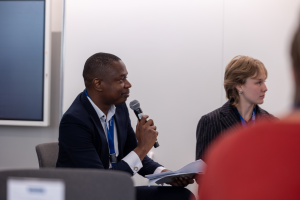
As Africa’s digital ecosystem continues to mature, entrepreneurs are increasingly building companies that reflect global ambition rather than local limitation. Among those leading this movement is Tunde Adebayo, Founder and Chief Executive Officer of Adebayo Tech Solutions, a Lagos-based digital transformation firm helping businesses modernize operations through technology. In this comprehensive interview, he shares insights on entrepreneurship in Nigeria, building credibility in competitive markets, and positioning African brands for international recognition.
Can you introduce yourself and your business to our readers?
My name is Tunde Adebayo, and I am the Founder and CEO of Adebayo Tech Solutions. We are a digital transformation company based in Lagos, Nigeria, focused on helping small and medium-sized enterprises transition from manual and fragmented processes into fully structured digital systems. Our services include custom software engineering, workflow automation, enterprise system development, data analytics integration, and digital growth advisory.
We work with companies across industries — retail, logistics, education, professional services — and our goal is always the same: to help them improve efficiency, reduce operational waste, and build systems that can support long-term scalability. We believe technology should not be intimidating or inaccessible. It should be practical, measurable, and transformative.
What inspired you to launch Adebayo Tech Solutions?
The idea came from witnessing avoidable inefficiencies. I saw businesses with strong demand and capable teams struggling simply because their systems were outdated. Inventory was mismanaged, customer records were incomplete, financial data was inconsistent, and communication channels were scattered.
I realized that many African businesses were not failing because of lack of vision, but because of lack of structure. Technology provides that structure. It organizes operations, improves accuracy, and enables data-driven decision-making. I felt compelled to create solutions tailored to our local realities while maintaining global standards of quality.
What were some of the early challenges you encountered?
The Nigerian business environment demands resilience. Infrastructure limitations — such as inconsistent power supply and internet connectivity — can affect productivity. Additionally, economic volatility and exchange rate instability create financial unpredictability, especially when paying for foreign software tools and cloud infrastructure.
Funding was another challenge. Bootstrapping required careful financial management and reinvestment of revenue into growth.
However, beyond operational constraints, the most complex challenge was trust. Technology adoption requires confidence. Clients must believe that your solutions will deliver real value. Convincing business owners to move away from familiar manual systems requires patience, education, and consistent proof of impact.
How did you overcome these challenges and scale your operations?
We prioritized excellence and documentation. Every project was treated as a long-term investment in reputation. We focused on delivering measurable results — improved reporting accuracy, faster workflow execution, and better customer data management.
We also standardized our internal systems early. By creating structured project management frameworks and automating our own operations, we ensured that growth did not compromise quality.
Digital visibility played a pivotal role. We invested in branding, content publishing, and thought leadership. As our digital footprint expanded, inquiries began coming from outside Nigeria. That visibility accelerated our transition from a local service provider to an internationally engaged company.
Why is media visibility so critical for entrepreneurs today?
Because credibility is currency. In a digital world, your reputation is often formed before your first conversation with a potential client. Media features, interviews, and professional publications act as third-party validation. They reinforce expertise.
For African entrepreneurs, media visibility also challenges outdated narratives. It demonstrates that innovation is thriving on the continent. It shifts perception from limitation to leadership.
When your brand is documented publicly, it shortens the trust-building cycle and opens doors to partnerships, collaborations, and funding opportunities.
Have you experienced tangible growth from media exposure?
Yes, without question. Several partnerships originated from individuals who discovered us through online features or interviews. They researched our company, reviewed our digital presence, and reached out with confidence.
Visibility gave us leverage. It positioned us as experts rather than just service providers. That distinction influences negotiation power and business opportunities.
What advice would you give to entrepreneurs aiming for global markets?
First, build competence before chasing visibility. Excellence must come first. Second, invest intentionally in brand positioning. Your website, messaging, and digital footprint must reflect professionalism and clarity.
Third, build systems that support remote delivery and cross-border service. The world is interconnected; your business model should reflect that.
Finally, document everything. Testimonials, metrics, case studies — these form the evidence that global partners require.
What role does storytelling play in shaping a business brand?
Storytelling humanizes business. It transforms transactions into relationships. People want to connect with vision and purpose, not just products.
A compelling narrative differentiates you in crowded markets. It communicates resilience, values, and ambition. Storytelling also reinforces brand identity and builds emotional loyalty.
Where do you see Adebayo Tech Solutions in five years?
We envision becoming one of Africa’s most respected digital transformation brands. We plan to expand our presence in Europe and North America while developing scalable technology products designed specifically for emerging markets.
Our objective is not just service expansion but innovation leadership. We want to create solutions that define new standards for operational excellence across industries.
Final message to aspiring entrepreneurs?
Start with clarity. Know the problem you are solving. Deliver value consistently. Build systems early. Invest in visibility strategically.
Africa’s business environment may be challenging, but it is also filled with opportunity. Those who combine skill, structure, and storytelling will thrive.
Tunde Adebayo’s journey highlights the evolving landscape of African entrepreneurship — one where resilience meets innovation and local expertise fuels global ambition.
About The Author