The Federal Capital Territory Administration (FCTA) has stirred a wave of public reactions following its decision to rename the iconic International Conference Centre (ICC) in Abuja to the Bola Ahmed Tinubu International Conference Centre, while simultaneously announcing the discontinuation of several free public services previously available at the facility.
The announcement, made late Tuesday by the FCTA Director of Press, was described as part of a broader “rebranding and cost-recovery initiative” to reflect the “current leadership’s legacy and direction.” However, the move has sparked a heated debate across political, civil society, and professional circles.
Critics argue that the renaming of the ICC—long considered a national and neutral venue for global and domestic events—injects partisan undertones into a public monument.
“This is not just a name change; it’s a rewriting of public identity,” said Professor Emmanuel Ayodele, a political historian at the University of Abuja. “The ICC belongs to all Nigerians, not any single political figure.”
Adding to the controversy is the FCTA’s decision to cancel a range of free public services previously offered at the ICC, including complimentary event access for non-profit organizations, discounted bookings for educational institutions, and free cultural exhibitions.
Under the new policy, all event organizers—regardless of purpose—will be subject to revised commercial rates. The FCTA cited financial sustainability as the main reason behind the policy shift, pointing to rising maintenance costs and budgetary constraints.
“We must reposition our assets to generate revenue and reduce dependency on federal subventions,” said FCT Minister Nyesom Wike in a statement. “The renaming of the ICC is symbolic of a new era, and our pricing policy must reflect economic realities.”
The move has drawn backlash from several quarters, including opposition politicians, civil society groups, and even members of the arts and culture sector who view the ICC as a crucial space for public engagement.
“This administration seems determined to commercialize every public asset while politicizing what should be shared national symbols,” said PDP spokesperson Debo Ologunagba in a press briefing.
Meanwhile, supporters of President Bola Tinubu have welcomed the renaming, describing it as a “fitting tribute” to a leader they say has demonstrated bold reforms and national leadership.
As the debate intensifies, there are growing calls for the National Assembly to step in and review the FCTA’s powers over heritage and national symbols within the capital.
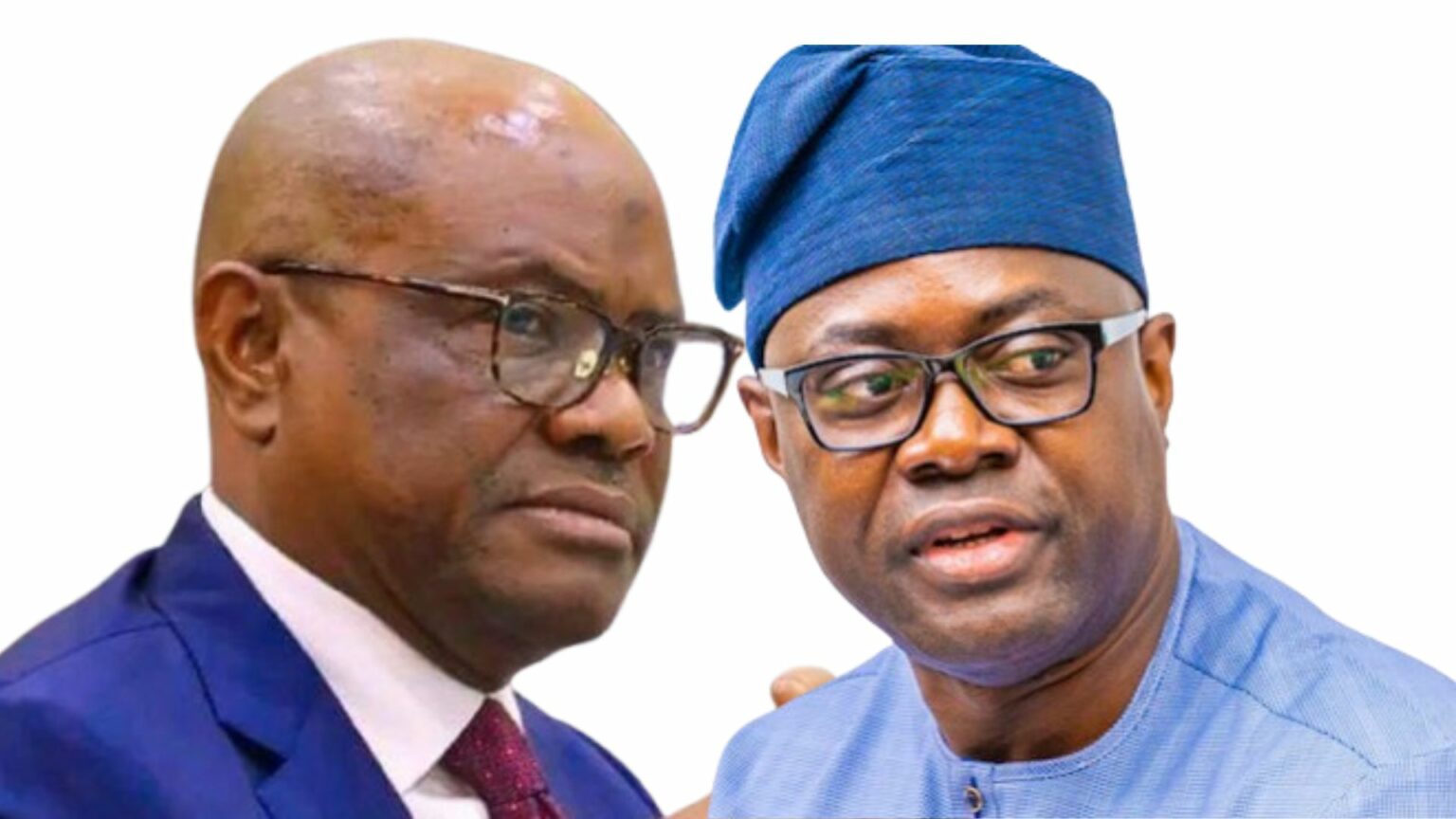
The build-up to the Peoples Democratic Party (PDP)’s upcoming national convention has taken a dramatic turn as internal rifts deepen between factions loyal to former Rivers State Governor Nyesom Wike and Oyo State Governor Seyi Makinde.
What was expected to be a routine party event aimed at strengthening internal unity has instead become a battlefield for influence and control, as both camps maneuver to assert dominance within the party’s power structure.
Multiple sources within the PDP confirmed to [Publication Name] that high-level negotiations have stalled over disagreements on key positions within the party’s National Working Committee (NWC). The dispute, insiders say, revolves around strategic placements that could tilt the party’s future direction ahead of the 2027 general elections.
“The convention is turning into a proxy war,” said a senior party official who asked not to be named. “Wike and Makinde are not just fighting for influence—they’re fighting for the soul of the party.”
Both camps have been mobilizing delegates and aligning with regional leaders to secure critical votes. Observers note that the lingering fallout from the 2023 general elections, where intra-party disagreements cost the PDP the presidency, still casts a shadow over the party’s cohesion.
Makinde, a known ally of Wike during the turbulent lead-up to 2023, appears to have drifted politically in recent months, pushing his own agenda and consolidating power in the South West. Meanwhile, Wike, now a minister in the APC-led federal government, continues to wield significant influence within PDP ranks despite his controversial cross-party affiliations.
“The danger is not just about who wins this convention, but what will be left of the PDP when it’s over,” warned political analyst Aisha Bello. “This is a stress test of the party’s ability to survive its own internal contradictions.”
The party leadership, including Acting National Chairman Umar Damagum, has called for restraint, emphasizing unity and discipline. However, efforts to mediate have so far yielded limited progress.
As the convention date draws near, many within the PDP fear that unresolved tensions could erupt into open confrontation—or worse, mass defections that could cripple the opposition’s prospects in 2027.
The PDP has yet to officially comment on the reports of internal division, but sources confirm that an emergency caucus meeting is scheduled for later this week in Abuja.
About The Author