Bauchi, Nigeria —
The United Nations Children’s Fund (UNICEF) has urged journalists and media organisations across Nigeria to take the lead in promoting behavioural change to eliminate Neglected Tropical Diseases (NTDs) nationwide.
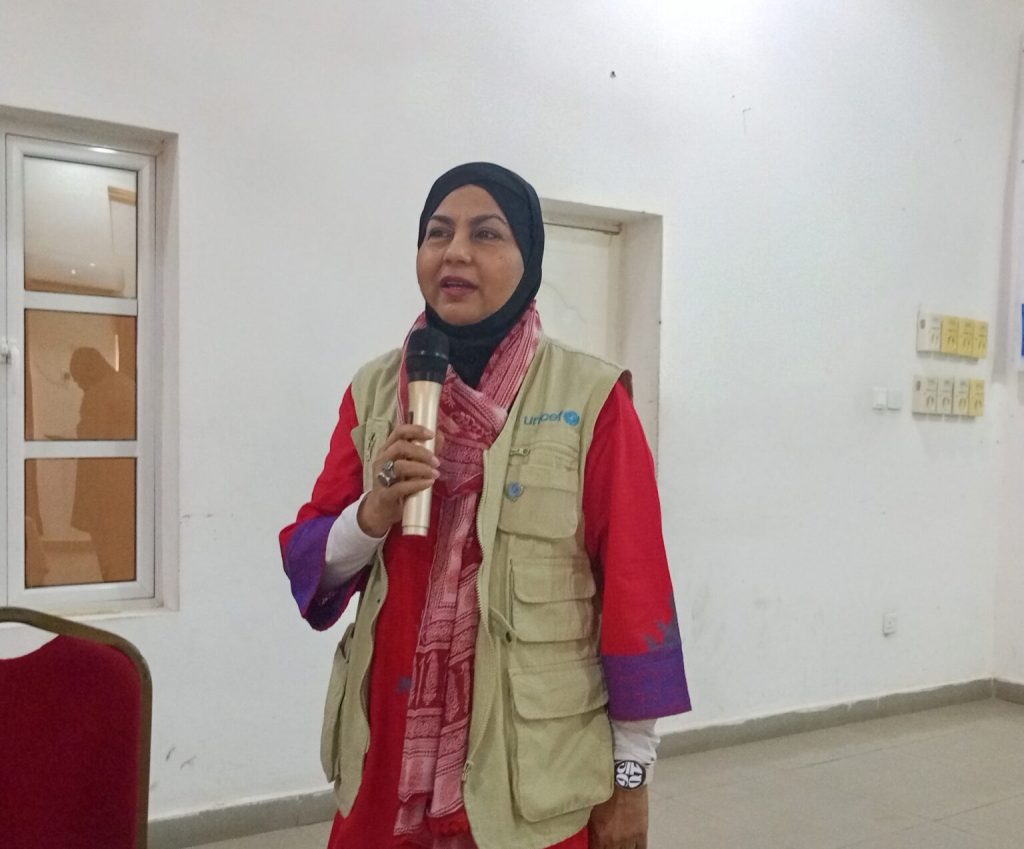
The call was made by the UNICEF Chief of Field Office in Bauchi, Dr Nuzhat Rafique, during a Media Dialogue on NTD Elimination held on Thursday in Bauchi State.
Rafique noted that poverty, poor sanitation, and lack of access to clean water remain key drivers of NTDs in many communities. She emphasised that improving hygiene and sanitation practices at the household level was critical to breaking what she described as “the vicious cycle of disease and poverty.”
“Poverty is a vicious cycle of ill health and deprivation. When people are poor and live in unclean environments, they are more likely to get sick. When they fall ill, they can’t work, and this deepens poverty,” Rafique said.
The UNICEF official explained that NTDs have long-term effects on the health, education, and productivity of children and young people, warning that communities that fail to address poor sanitation will continue to struggle with preventable diseases.
She urged both government institutions and community leaders to invest in clean water, proper waste management, and hygiene education, noting that the media plays a crucial role in raising awareness.
“We have to strengthen our health system and focus on WASH (Water, Sanitation, and Hygiene) interventions. The media are the eyes, ears, and voice of society — you can create awareness, influence behaviour, and change lives,” she added.
Rafique further cautioned against open defecation and the use of unsafe water sources, linking polluted rivers and poor sanitation practices to the spread of River Blindness and other infections transmitted by flies and mosquitoes.
Also speaking, the North-East Zonal Coordinator of the NTD Control Programme, Hauwa Abubakar, described NTDs as “diseases of poverty” that remain a major public health concern, especially in rural areas.
“NTDs are preventable and curable diseases that mostly affect the poor and those living in rural communities. They cause disability, deformity, and sometimes death if left untreated,” she said.
Abubakar appealed to journalists to amplify accurate information about NTD prevention and control, stressing that public enlightenment remains one of the most effective tools to reduce the burden of these diseases in Nigeria.
The dialogue brought together health experts, communication specialists, and journalists to explore ways to strengthen collaboration between the media and public health institutions in Bauchi and across the country.
In recent years, UNICEF and the Federal Ministry of Health and Social Welfare have intensified advocacy efforts to eradicate NTDs through improved access to clean water, sanitation, and hygiene.
Earlier in November, UNICEF consultant Dr Hilary Adie identified poor access to WASH facilities and weak behavioural change as key challenges hindering NTD elimination in Nigeria, while reaffirming the need for stronger community engagement and media participation.
About The Author