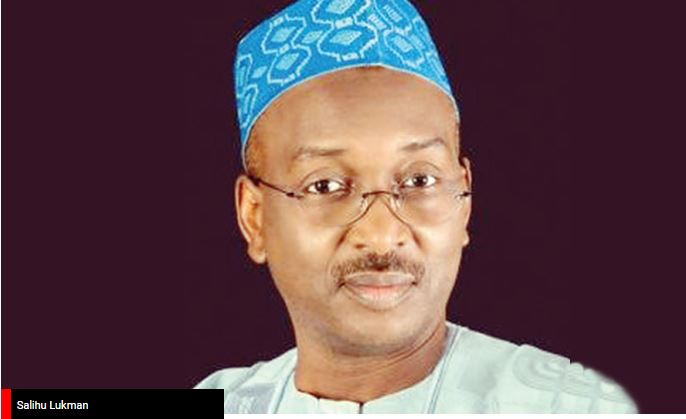
Former APC Vice Chairman Salihu Lukman Resigns, Citing Lack of Internal Democracy
Salihu Lukman, the former National Vice Chairman (North West) of the All Progressives Congress (APC), has resigned from the ruling party. This significant move was announced in a statement he issued in Abuja on Wednesday titled: “APC and The Future of Nigerian Democracy: Letter to Selected APC Leaders.”
Reasons for Resignation
Lukman’s resignation stems from his dissatisfaction with the party’s leadership and the lack of internal democracy. He criticized the party’s inability to implement essential reforms and return to its founding principles. “Given all this, it is possible to remain in APC if at all President Tinubu will allow internal reform in the party to return it to its founding vision, which as it is, is very remote,” Lukman stated. He added that his membership in the party had been rendered meaningless, compelling him to step down.
Return to Activism
Declaring his intention to continue advocating for democracy outside the APC, Lukman emphasized his commitment to working with like-minded Nigerians. He stated, “I have therefore gone back to the trenches and will try to work with all committed Nigerians who agree and subscribe to the goal of actively campaigning for the survival and development of democracy in Nigeria.”
Lukman did not disclose his future political affiliations or the party he might join ahead of the 2027 elections. However, he expressed his belief in the possibility of achieving a robust democracy with functional political parties in Nigeria.
Vision for Nigerian Democracy
Lukman elaborated on his vision for a stronger democratic system in Nigeria, where elected representatives are accountable to their parties and the electorate. He stressed the importance of political parties and governments reflecting the interests of the wider Nigerian populace. “We must grow our democracy to the point whereby elected representatives at all levels are accountable to the party and it is possible for Nigerians represented by various interests to develop strong relationships with political parties and elected governments based on which policies of governments can be made to reflect wider interests of Nigerians,” he said.
Confidence in Future Reforms
Despite his resignation, Lukman remains optimistic about the future of Nigerian democracy. He expressed confidence in the country’s ability to produce governments that improve the lives of its citizens. “I am confident that a strong democracy with functional political parties is possible in Nigeria. I am also confident that in our lifetime, we can produce governments that are truly capable of making the lives of Nigerians better,” he noted.
Lukman acknowledged that his decision might not be well-received by all party leaders but maintained hope for eventual unity among those dedicated to democratic development. “I don’t expect party leaders will agree with my decision. I believe that eventually, we will be united with all party leaders and other Nigerians who are committed to developing Nigerian democracy,” he concluded.
Implications for the APC
Lukman’s resignation highlights ongoing challenges within the APC regarding internal democracy and party reforms. His departure may prompt further scrutiny of the party’s leadership and its adherence to democratic principles. The APC, which has faced criticism for its handling of internal dissent and policy implementation, may need to address these issues to maintain its position and credibility.
The Road Ahead
As Lukman re-engages with political activism outside the APC, his actions may inspire other members who share his concerns to voice their opinions or follow suit. His call for a stronger democratic framework and accountable governance resonates with broader calls for political reform in Nigeria. The future of the APC and its ability to adapt to these demands will be crucial in shaping Nigeria’s political landscape in the coming years.
In summary, Salihu Lukman’s resignation from the APC underscores significant internal challenges within the party and highlights a broader need for political reform in Nigeria. His commitment to advocating for democracy and functional political parties reflects a continuing struggle for accountability and representation in Nigerian politics.
About The Author