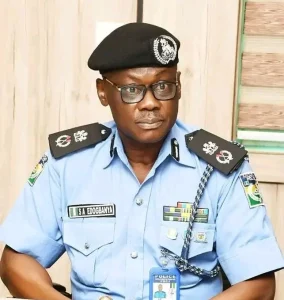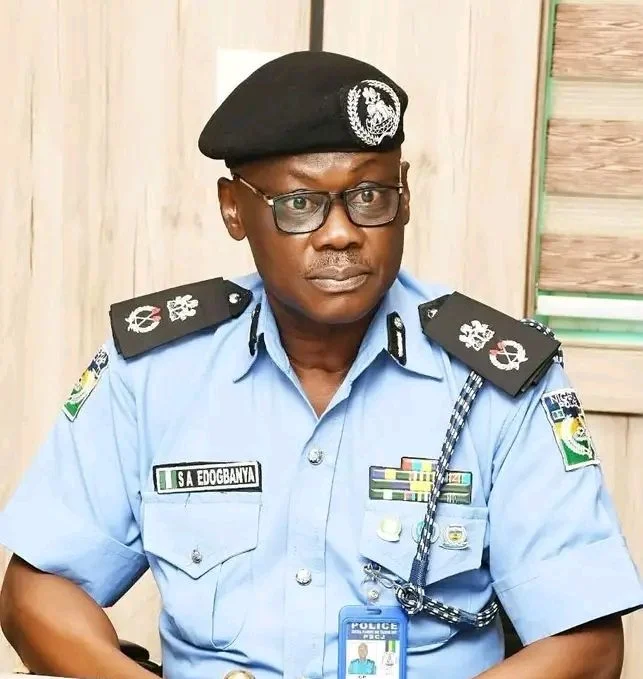
Abia State has a new Commissioner of Police, and his first request was for help from the public. Sylvester Edogbanya Adaji took over the command in Umuahia on Wednesday from Wilfred Afolabi, who is now an Assistant Inspector-General of Police. Adaji said policing is hard without residents’ support and asked people to close the trust gap between the police and communities by passing on timely, useful information. “Without information, organic and inorganic information from members of the public-spirited individuals of Abia, we cannot function very well,” he said. He said the command will build on its existing intelligence-gathering structures and work to restore public confidence, which he expects will make people readier to share reliable tips.
His description of the problem was blunt. “It is always difficult to police a lawless society,” he said. “Nigerians, most of Nigerians, are very lawless. Lawless in the fact that the individual is quite rich and stronger than the institution that ought to control them.” He added that the police would keep enforcing the law while respecting citizens’ fundamental rights. He promised to work more closely with the other security commanders in the state, and said he’d come to do the job. “I have not come here to sleep only,” he said. “I have come here to do police work.” He called the protection of lives and property a duty under the Constitution, the Police Act and other laws.
The season is close, and he said residents should expect it to show. “We are in the festive season. You are going to see heavy police deployment and visibility policing,” he said, with the aim of letting social and economic life carry on without interruption.
Afolabi, handing over, listed the strategies he introduced. They include divisional intelligence operations, intelligence-led policing, crime mapping, crime timing and prevention work. He said officers in various divisions were trained in intelligence gathering and crime analysis, the cybercrime unit was strengthened, and the command began using comparative crime analysis and statistics. He also set out what’s still missing: police vehicles in poor condition, inadequate radio communication, and several stations with no perimeter fence. He added that facilities need fortifying, personnel need more training and discipline within the force needs strengthening. Adaji promised to build on what’s in place, working with officers, residents and the other security agencies.
About The Author