The House of Representatives has indicted 31 Ministries, Departments, and Agencies (MDAs) over financial irregularities amounting to ₦103.8 billion and $950,912, calling on the Economic and Financial Crimes Commission (EFCC) and the Independent Corrupt Practices and Other Related Offences Commission (ICPC) to urgently recover the funds.
This revelation was made following the adoption of the 2020 Auditor-General’s report by the House Committee on Public Accounts, which uncovered extensive breaches in financial reporting, unremitted revenues, unauthorized expenditures, and outright mismanagement of public funds.
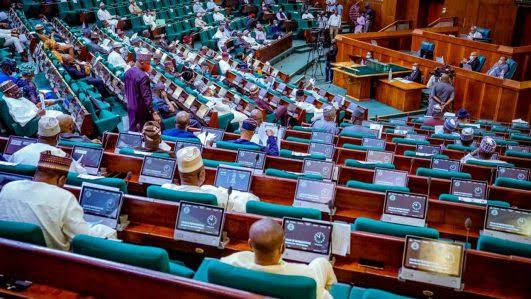
Chairman of the Committee, Hon. Bamidele Salam, presented the report before the plenary, outlining multiple violations of financial regulations, including failure to account for internally generated revenue, questionable contract awards, and abuse of public procurement processes.
“The findings point to systemic disregard for accountability and a culture of impunity within several MDAs. This House will not stand by while public funds are siphoned off without consequence,” Hon. Salam stated.
The indicted MDAs span across key sectors including health, education, works, and agriculture. Specific details were withheld pending formal publication of the full report, but lawmakers expressed shock over the scale of misappropriation.
The House, in its resolutions, tasked the EFCC and ICPC to take immediate steps to investigate and prosecute culpable officials and recover the misappropriated funds in line with anti-corruption laws.
Lawmakers also directed the Budget Office and Office of the Accountant General of the Federation to tighten fiscal oversight mechanisms, warning that continued leakage of public funds undermines national development.
This development adds to growing concerns about financial discipline within government institutions and the effectiveness of Nigeria’s anti-corruption framework, even as the country grapples with revenue challenges and rising debt.
Stakeholders are now watching closely to see whether enforcement agencies will act decisively on the legislature’s findings—or whether the report will become another unresolved entry in Nigeria’s long list of financial scandals.
About The Author