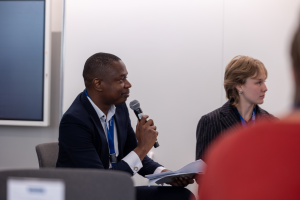
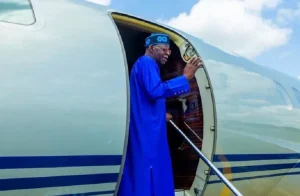
Bishop Matthew Kukah of the Catholic Diocese of Sokoto has revealed that President Bola Tinubu did not sign the National Peace Accord as a presidential candidate during the 2023 elections. Kukah made this statement on Sunday at the Edo Election Security Townhall in Benin City, where he addressed concerns regarding the importance of the peace pact.
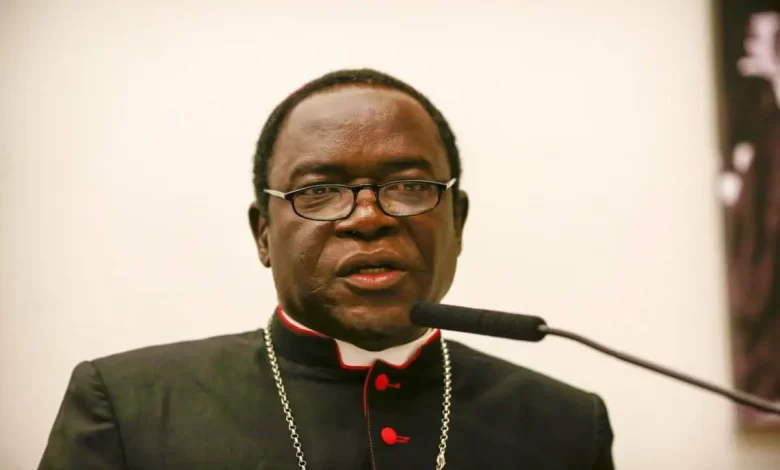
Kukah, who is one of the conveners of the National Peace Committee chaired by former Head of State General Abdulsalami Abubakar, emphasized that the peace accord, while influential, is not legally binding. “The National Peace Committee, what we do is not in the Electoral Act, it’s not law; it’s moral. You can’t compel people to fall in love or love their neighbour,” the clergyman said.
He further highlighted that failure to sign the peace accord sends a potentially harmful message to the electorate. “When candidates refuse to sign, it creates an opening for the opposition to exploit that situation,” he noted. Kukah recounted how the opposition responded to a similar situation in 2019 when PDP’s Alhaji Atiku Abubakar missed the signing but promptly rectified the oversight by signing the next day.
In the 2023 elections, Tinubu’s absence from the peace accord signing was not followed by any political exploitation from his rivals. Kukah explained, “It wasn’t our fault that the political opposition didn’t take advantage of it. It sends the wrong signal, but we are not going to take anyone to court for not signing the accord.”

The National Peace Committee, formed in 2014, has been instrumental in ensuring that political actors commit to non-violence during elections. However, Kukah pointed out that while the committee’s efforts carry significant moral weight, they do not have the power to enforce compliance.
About The Author